


Trigger Point Therapy Birmingham: What Are Trigger Points and How Does Treatment Work?
- Adrian Wildborne

- Apr 18
- 3 min read

If you've ever had a therapist press on a tight spot in your muscle and felt pain radiating somewhere else entirely — perhaps down your arm, or across your back — you've experienced a trigger point. These small, localised areas of muscle dysfunction are one of the most common sources of musculoskeletal pain, and one of the most reliably treatable.
What is a Trigger Point?
A trigger point is a hyperirritable spot within a taut band of skeletal muscle. When compressed, it produces a characteristic pattern of referred pain — pain felt at a distance from the actual location of the trigger point itself. This referred pain pattern is remarkably consistent between people, which means experienced therapists can often predict where a client's pain is coming from based on where they're feeling it.
Trigger points were comprehensively documented by Dr Janet Travell and Dr David Simons in their landmark work Myofascial Pain and Dysfunction: The Trigger Point Manual. Their research identified consistent referred pain maps for virtually every muscle in the body and established trigger point therapy as a legitimate clinical discipline.
Active vs Latent Trigger Points

Not all trigger points cause pain at rest. There are two main types:
Active trigger points produce spontaneous pain, both at the site and in their referral zone. They are present and painful without being pressed.
Latent trigger points are only painful when compressed. They may cause restricted range of motion and muscle weakness without producing spontaneous pain — and can become active under stress, overload, or injury.
What Causes Trigger Points?
Trigger points develop in response to muscle overload — either acute (a sudden strain or injury) or chronic (repetitive low-level stress over time). Common causes include:
Postural strain from prolonged sitting, driving, or working at a screen
Repetitive occupational or sporting movements that repeatedly load the same muscle groups
Acute muscle strain or direct trauma
Emotional stress, which increases resting muscle tone and predisposes muscles to trigger point formation
Nutritional deficiencies, particularly in Vitamin D, B12, folate, and magnesium, which can perpetuate trigger point activity
How Does Trigger Point Therapy Work?
Trigger point therapy involves applying direct, sustained pressure to the trigger point itself to interrupt the pain-spasm cycle and restore normal muscle function. The therapist identifies the taut band within the muscle, locates the most sensitive point within it, and applies compression — typically until the client reports an 8 out of 10 on their pain scale, holding until the sensation reduces significantly.
At Functional Body Clinic in Birmingham, trigger point therapy is used as part of a comprehensive treatment approach. It is particularly effective for:
Tension headaches and migraines originating from suboccipital and upper trapezius trigger points
Neck and shoulder pain from desk work and forward head posture
Lower back pain with gluteal and hip trigger point involvement
Referred pain patterns that have been misattributed to nerve compression or joint pathology
Sports injuries involving repeated muscle loading, such as calf tightness in runners or rotator cuff issues in overhead athletes
What to Expect After Treatment
Following trigger point therapy, clients often experience a temporary increase in soreness in the treated area — similar to delayed onset muscle soreness after exercise. This typically resolves within 24–48 hours and is followed by a significant reduction in the original pain pattern. Staying hydrated and gentle movement in the hours after treatment supports the recovery process.
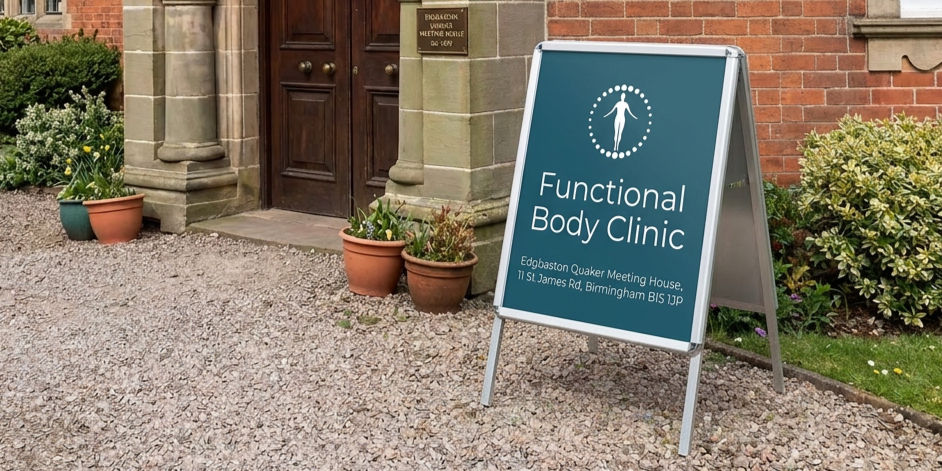
If you're experiencing persistent pain, referred pain patterns, or muscle tightness that isn't resolving with stretching and exercise, trigger point therapy may provide the relief you've been looking for. Book an initial assessment at Functional Body Clinic, based at Edgbaston Quaker Meeting House in Birmingham, and we'll identify and treat the source of your symptoms.


Comments