


Sports Massage vs Physiotherapy In Birmingham: What's the Difference and Which Do You Need?

Updated: May 5
One of the questions I'm regularly asked at Functional Body Clinic in Birmingham is: 'Should I see a sports massage therapist or a physiotherapist?' It's a genuinely useful question, because the two disciplines overlap in some areas while differing significantly in others. Understanding the distinction can help you make a more informed decision about your care. This guide explores the key differences when it comes to sports massage vs physiotherapy in Birmingham.
Sports Massage vs Physiotherapy in Birmingham: Overview
What is Physiotherapy?
Physiotherapy (also called physical therapy) is a regulated healthcare profession in the UK, governed by the Health and Care Professions Council (HCPC). Physiotherapists hold a BSc or MSc degree in physiotherapy and are trained to assess, diagnose, and treat a wide range of musculoskeletal, neurological, and respiratory conditions. The title 'physiotherapist' is legally protected — only those registered with the HCPC can use it.
Physiotherapy treatment typically includes exercise rehabilitation, manual therapy, electrotherapy, hydrotherapy, and patient education. It is often the route recommended by GPs for post-surgical rehabilitation, neurological conditions, and complex musculoskeletal presentations.
What is Sports Massage and Soft Tissue Therapy in Birmingham?
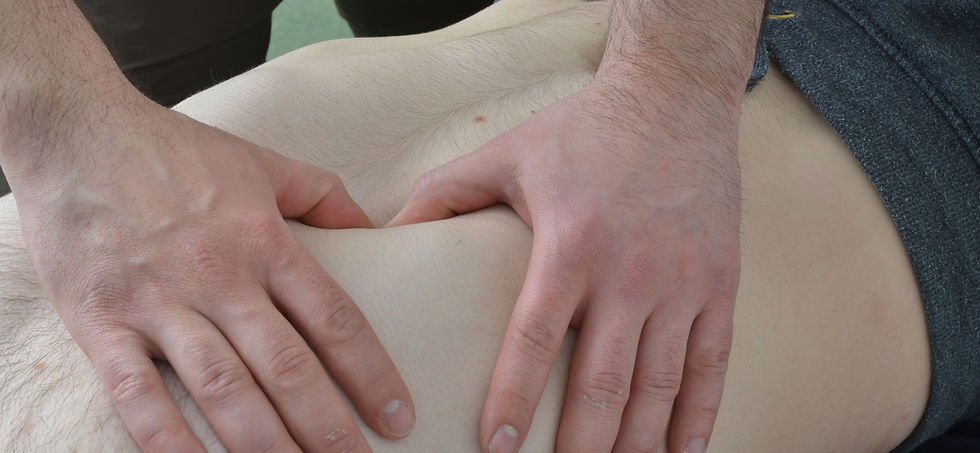
Sports massage is a hands-on therapy focused on the manipulation of the body's soft tissues — muscles, tendons, ligaments, and fascia. It is not a regulated healthcare profession in the same legal sense as physiotherapy, but qualified practitioners hold nationally recognised qualifications (Level 3–5) and professional memberships such as the Institute of Soft Tissue Therapists (ISRM) or Sports Massage Association (SMA).
At the higher end of the qualification spectrum, soft tissue therapists holding a BTEC Level 5 — the highest available qualification in the UK — practice at a clinical level that overlaps significantly with physiotherapy in terms of assessment depth and treatment approach. At Functional Body Clinic in Birmingham, this includes comprehensive postural assessment, orthopaedic testing, and rehabilitation planning alongside hands-on treatment.
Key Differences
Physiotherapy is a regulated profession requiring a degree. Sports massage and soft tissue therapy are not regulated in the same way, though qualifications and professional memberships provide important standards of practice.
Physiotherapy takes a broader clinical approach covering neurological and respiratory conditions beyond the musculoskeletal system. Sports massage and soft tissue therapy focus specifically on the soft tissue and neuromusculoskeletal system.
Physiotherapy treatment often emphasises exercise rehabilitation with less hands-on time per session. Soft tissue therapy sessions are predominantly hands-on, with aftercare advice and home exercise guidance as a supporting element.
Physiotherapy may be available via NHS referral. Sports massage and soft tissue therapy are typically self-funded private services.
When to Choose Sports Massage or Soft Tissue Therapy
Sports massage and soft tissue therapy tend to be particularly well suited for:
Muscle tightness, tension, and trigger points that aren't resolving with self-care
Postural dysfunction and occupationally-related pain (desk work, manual labour, driving)
Sports performance maintenance, injury prevention, and recovery
Chronic musculoskeletal pain that has not responded well to exercise-based physiotherapy alone
Clients who want more hands-on treatment time per session
When to Choose Physiotherapy
Physiotherapy is generally the better first choice for post-surgical rehabilitation, neurological conditions, vestibular (balance) problems, complex spinal pathologies requiring medical imaging or referral, and any presentation where you need NHS-funded care.
The Complementary Approach
It's worth noting that sports massage and physiotherapy are not mutually exclusive. Many clients receive physiotherapy for the diagnostic and exercise rehabilitation component while also attending Functional Body Clinic for hands-on soft tissue work. The two approaches work well in combination, and a good soft tissue therapist will refer on to a physiotherapist or other healthcare professional when a presentation falls outside their scope of practice.
At Functional Body Clinic, based at Edgbaston Quaker Meeting House in Birmingham, we offer BTEC Level 5 soft tissue therapy — the highest clinical qualification available in our field. If you're unsure whether soft tissue therapy is the right choice for your condition, get in touch or book an initial assessment and we'll give you an honest
answer.
Further reading & next steps
If this article rang uncomfortably true for your sport or your job, these pieces go deeper into how we assess and treat those loading patterns at Functional Body Clinic:
The Benefits of Maintenance Massage: Keeping Your Body in Peak Condition – how regular treatment helps tissues adapt instead of fail under repetitive stress.
What is Maintenance Massage and Why Should You Consider It? – when to move from crisis‑only treatment to a planned maintenance approach.
And if you already know your body is paying the price for your sport or work, you can explore our care plans and book an assessment:
Sports Massage Plan – Birmingham – for athletes and “industrial athletes” who need performance and recovery support.
Holistic Deep Tissue Plan – for long‑standing stiffness, recurrent pain, and postural overload.
Care Plans – structured treatment plans for ongoing spinal, shoulder, and hip issues.

Comments