


Scar Tissue Release Therapy: How Soft Tissue Treatment Addresses Adhesions
- Adrian Wildborne

- Apr 8
- 2 min read

Scar tissue is one of the most overlooked contributors to chronic pain and restricted movement. Whether from surgery, injury, or repetitive micro-trauma, the fibrotic tissue that forms during healing can create lasting functional limitations that standard massage doesn't adequately address. Scar tissue release therapy is a specialist approach specifically designed to target these restrictions.
How Scar Tissue Forms

When tissue is damaged — through injury, surgery, or repetitive strain — the body repairs it using collagen fibres. In healthy tissue, collagen fibres are laid down in an organised, multi-directional pattern that allows for efficient force transmission and movement. In scar tissue, the fibres are laid down rapidly and in a less organised pattern, creating a denser, less flexible structure that may adhere to adjacent tissues.
These adhesion's can tether muscles to surrounding fascia, restrict joint movement, entrap nerves, and alter normal movement patterns as the body compensates. Over time, this compensation can create secondary pain in apparently unrelated regions.
Common Sources of Problematic Scar Tissue

Post-surgical scars from procedures including caesarean section, knee or hip replacement, appendectomy, or hernia repair
Muscle tears that healed with fibrotic replacement rather than true muscle regeneration
Tendon repairs following rupture (Achilles, rotator cuff, patellar tendon)
Repetitive strain injuries that have accumulated microtrauma over years, particularly in the forearm flexors and extensors in desk workers
How Scar Tissue Release Therapy Works
Scar tissue release uses a combination of cross-fibre friction massage, myofascial release, and careful progressive loading to remodel the scar tissue and reduce adhesions. The technique works by:
Applying sustained pressure and movement across the scar to break down adhesive cross-links between fibres
Stimulating fibroblast activity and promoting more organised collagen remodelling
Mobilising the superficial scar from the deeper tissue layers to restore gliding between tissue planes
Combining scar work with broader soft tissue treatment of the compensatory patterns that developed around the restriction
Scar Tissue Treatment in Birmingham
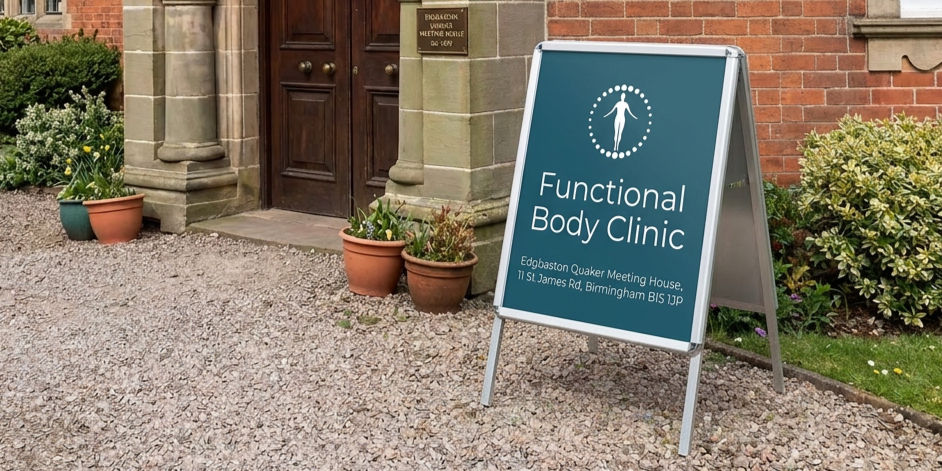
Scar tissue release is available at Functional Body Clinic, Edgbaston, as part of a comprehensive soft tissue therapy approach. If you have a post-surgical or post-injury scar that is restricting your movement or contributing to pain, book a treatment today.


Comments